
A sudden wave of cyberattacks attributed to Russian hackers has put US infrastructure and enterprise networks on high alert this May 22, 2026. Tech security teams across the United States are scrambling to patch critical vulnerabilities as search traffic for the security breach spikes online.
Within the last hour, multiple cybersecurity monitoring agencies detected a coordinated campaign targeting cloud hosting environments and local databases. According to preliminary threat intelligence reports, the threat actors are exploiting newly discovered flaws in automated web deployment systems to establish persistence within enterprise-scale digital assets.
Organizations are urged to immediately audit their server configurations and look for signs of unauthorized root-level access.
Table of Contents
1. Inside the May 2026 Cyber Campaign by Russian Hackers

The rapid escalation of these attacks has caught many system administrators off guard. Cybersecurity frameworks tracking international threat actors note that the group responsible is utilizing highly sophisticated evasion tactics to bypass standard firewalls.
As documented in official data compiled by the Cybersecurity and Infrastructure Security Agency (CISA), these threat groups often focus on high-value targets during late-night US hours to minimize immediate manual detection by network security teams.
2. Exploiting Autonomous Platforms and Web Tools
What makes this specific campaign dangerous is how the attackers adapt to modern software. Instead of targeting traditional hardware firewalls, the intruders are executing automated script injections that mirror normal background processes.
Security analysts indicate that automated software loops and open-source web deployment components are the primary vectors being targeted in this morning’s breaches. If you are currently managing modern development structures or testing next-gen deployment environments, it is crucial to ensure your codebases are fully sandboxed. For a comprehensive overview of how to securely lock down hosting architectures, read our complete server configuration guide.
3. How to Secure Your Corporate Servers Immediately
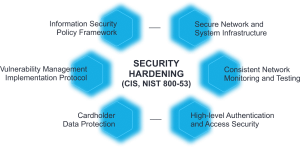
To protect your digital properties against current exploits, network administrators should execute the following mitigation steps immediately:
- Implement Strict Immutable Attributes: Set critical system configuration files to immutable status to prevent automated scripts from modifying root access parameters.
- Enforce Multi-Factor Authentication (MFA): Terminate active sessions across corporate portals and require hardware-token MFA verification for all structural changes.
- Review Outbound Traffic Logs: Check server logs for unusual data exfiltration patterns moving toward unrecognized international IP pools.
As threat indicators continue to evolve throughout the day, maintaining a hardened security posture is the only reliable defense against automated intrusions. Stay vigilant, patch your system dependencies immediately, and monitor active server connections closely.
Trending US Tech Updates: Monitoring other critical digital system disruptions across the country this week? Be sure to check out our analytical breakdown on why Bluesky went down during its massive outage, or review our guide on the latest Verizon promotions to offset plan price increases.