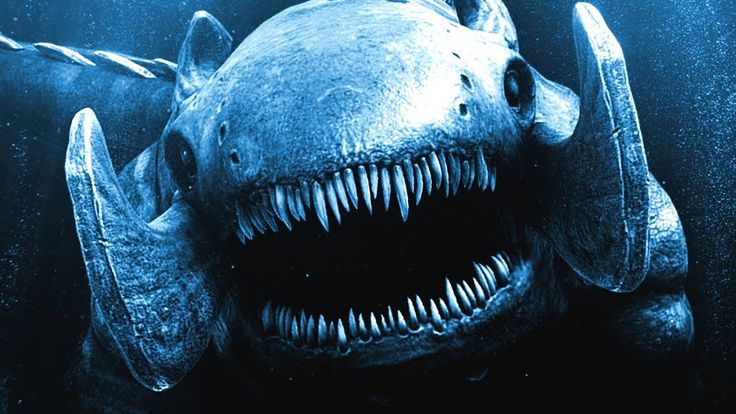
The vast, alien oceans of Subnautica have always been defined by their profound sense of isolation, breathtaking beauty, and the omnipresent dread inspired by colossal creatures lurking in the depths. As players ventured into the frigid, uncharted waters of the sequel, often referred to as “Subnautica 2” but officially titled Subnautica: Below Zero, the anticipation for new, terrifying leviathan-class organisms was palpable. This guide delves into the formidable fauna encountered during the game’s early access phase, providing an invaluable resource for both seasoned explorers and new divers bracing for the unknown.
While the full release of Subnautica: Below Zero brought some refinements, the core leviathan encounters and their initial habitats were largely established during its early access period. This comprehensive overview aims to prepare you for the chilling encounters, detailing each leviathan’s characteristics, behavior, and crucially, where to find them in the early iterations of the game. Prepare your Seatruck, charge your scanner, and brace yourself for the colossal lifeforms that dominate the Arctic abyss.
The Terrors of the Deep: Aggressive Leviathans in Subnautica: Below Zero
Subnautica: Below Zero introduces a new roster of predators designed to keep players on edge. These leviathans are not merely environmental hazards; they are apex predators that demand respect, caution, and often, a swift escape plan. Understanding their territories and behavioral patterns is key to survival in their unforgiving domains.
The Chelicerate: Apex Predator of the Purple Vents
The Chelicerate quickly established itself as one of the most iconic and terrifying leviathans of Below Zero’s early access. Resembling a terrifying fusion of a shrimp and a scorpion, with prominent, powerful mandibles, this creature is a master of its volcanic environment.
- Appearance: Characterized by its segmented, chitinous body, large glowing eyes, and a pair of massive, claw-like mandibles that it uses to grab and crush prey. Its color scheme often blends with the dark, volcanic rocks and purple luminescence of its habitat.
- Habitat & Locations (Early Access): The Chelicerate primarily patrols the expansive and dangerous biome known as the Purple Vents. This area is easily identifiable by its vibrant purple flora and geological vents expelling hot gas, often found to the west of the starting area. Early access players would also frequently encounter them in the deeper sections of the Deep Twisty Bridges biome, acting as a territorial guardian for critical resources and deeper zones.
- Behavior & Threat: Highly aggressive and territorial. The Chelicerate will actively hunt down and attack the player, their Seatruck, or any other vehicles. Its primary attack involves lunging and grabbing, inflicting massive damage. It possesses a powerful roar that serves as a warning before it attacks.
- Tips for Encounter:
- Stealth is Key: Maintain distance and use Silent Running in your Seatruck if available.
- Perimeter Defense: The Seatruck’s Perimeter Defense Upgrade can deter it temporarily, giving you a window to escape.
- Evasive Maneuvers: If attacked, boost away quickly. Do not try to out-maneuver it in tight spaces unless absolutely necessary.
- Scanning: Be extremely cautious if attempting to scan. It’s best done from a distance with the scanner room or by baiting it away.
The Shadow Leviathan: Lord of the Crystal Caves
Deep within the planet’s crust lies the domain of the Shadow Leviathan, a creature of immense power and chilling design. This leviathan truly embodies the terror of the deep, guarding ancient secrets and critical plot points.
- Appearance: A serpentine, elongated body adorned with bioluminescent patterns, four powerful jaws that open in a cruciform shape, and multiple eyes. Its sleek, dark form is perfectly adapted for navigating the intricate cave systems it calls home.
- Habitat & Locations (Early Access): The Shadow Leviathan is exclusively found in the deepest, most treacherous biomes: the Crystal Caves and the even deeper Fabricator Caverns. These areas are characterized by colossal crystalline formations and are often crucial for late-game progression, including finding resources for constructing the Prawn Suit and accessing important alien structures. Early access routes invariably led players through these perilous zones.
- Behavior & Threat: Extremely aggressive and relentless. Unlike the Chelicerate which might patrol a larger area, Shadow Leviathans are often found in tight, claustrophobic tunnels, making evasion incredibly difficult. They possess a powerful bite that can quickly destroy a Seatruck or heavily damage a Prawn Suit. They are also known for their pursuit capabilities.
- Tips for Encounter:
- Prawn Suit Preferred: While still dangerous, the Prawn Suit offers better protection and offensive capabilities (drill arm, grapple arm for evasion).
- Grapple & Dash: Use the Prawn Suit’s grapple arm to quickly traverse the caves, ideally grappling onto walls or ceilings to avoid directly crossing their path.
- Aggro Management: If a Shadow Leviathan spots you, try to break line of sight quickly. They have a persistent aggro range but can be shaken.
- Perimeter Defense (Seatruck): If forced to use a Seatruck, the Perimeter Defense is your best friend for stuns and escapes.
- Prepare for the Worst: Always have repair tools, medical kits, and backup power cells when venturing into these zones.
The Ice Worm: Apex Predator of the Glacial Basin (Land-Based)
Breaking the aquatic mold, Below Zero introduced a land-based leviathan that brought a new dimension of terror: the Ice Worm. This colossal creature patrols the frozen surface, making overland exploration a constant exercise in vigilance.
- Appearance: A truly massive, segmented worm-like creature with a hardened, drill-like head and prominent sensory organs. It has sharp, crystalline spines that erupt from the ice as it breaches the surface.
- Habitat & Locations (Early Access): The Ice Worm is unique in that it resides on land, specifically dominating the vast, icy expanses of the Glacial Basin. This region is vital for locating important land-based resources, specific flora, and alien artifacts related to Al-An’s memory caches.
- Behavior & Threat: The Ice Worm hunts by sensing vibrations on the ice. It will breach the surface, lunging at the player or their Snowfox hoverbike. Its attacks are devastating, capable of instantly destroying the Snowfox or severely injuring the player. It uses its drill-like head to burst through the ice, often ambushing from below.
- Tips for Encounter:
- Sound and Vibration Management: Move slowly or crouch to reduce vibrations. Avoid sprinting across the ice unless absolutely necessary.
- Ice Worm Attacks: These deployable items (early access names may vary slightly) can distract or temporarily deter the Ice Worm.
- Snowfox Speed: The Snowfox is essential for traversing the Glacial Basin, but be ready to boost away at maximum speed if an Ice Worm targets you.
- Terrain Awareness: Use rocky outcrops and elevated terrain to your advantage, as the Ice Worm cannot easily traverse complex surfaces.
- Environmental Cues: Pay attention to the rumbling sound and visual cues (cracks in the ice) that indicate an impending attack.
Passive Leviathans and Other Notable Mentions
Not all leviathan-class organisms in Below Zero are inherently aggressive. Some are benign, vital components of the ecosystem, or represent unique biological phenomena that add to the game’s rich lore and stunning visuals. While not direct threats in the “Early Access Guide” sense, their presence contributes significantly to the experience.
The Ventgarden: A Living Ecosystem
The Ventgarden is a fascinating passive leviathan, serving as a mobile, self-sustaining ecosystem. It’s a majestic sight, drifting gently through the deep, a stark contrast to the aggressive predators of the game.
- Appearance: Resembling a colossal jellyfish or a floating island, adorned with diverse flora and fauna living upon its surface. Its translucent body allows light to filter through, illuminating the life within.
- Habitat & Locations (Early Access): Primarily found drifting in the Lilypad Islands biome, particularly in the deeper sections. It provides a unique micro-environment where players can find resources and observe passive aquatic life.
- Behavior: Completely passive. It will ignore the player and their vehicles. Its only “interaction” is allowing players to enter its internal cavities to harvest specific resources like Ribbon Plants.
The Glow Whale: Gentle Giant of the Arctic
The Glow Whale is another magnificent, non-aggressive leviathan-class organism. Its serene presence and unique bioluminescence make it a memorable encounter.
- Appearance: A large, whale-like creature with a smooth, elongated body and distinctive glowing patterns that shift and pulsate. It often moves in graceful, sweeping motions.
- Habitat & Locations (Early Access): Common in the shallower, warmer waters around the Sparse Arctic and parts of the Lilypad Islands. They often travel in pods, adding to the visual splendor of these biomes.
- Behavior: Entirely passive. Glow Whales will ignore the player and their vehicles, often swimming past with an air of indifference. They are harmless and add a sense of wonder to the Arctic environment.
Frequently Asked Questions About Subnautica 2: Below Zero Leviathans
What is the biggest leviathan in Subnautica 2 (Below Zero)?
During the early access of Subnautica: Below Zero, the Shadow Leviathan is generally considered the largest aggressive leviathan, especially given its presence in confined, deep-sea tunnels which amplify its imposing size. The Ventgarden is physically larger in terms of mass and surface area, but it is a passive organism.
Are there any new leviathans planned for Subnautica 2 (Below Zero)?
As an early access title, game developers often introduce new content and creatures. While the core aggressive leviathans (Chelicerate, Shadow Leviathan, Ice Worm) were prominent throughout, the development process saw continuous iteration. For the final release, these three remained the primary aggressive leviathan threats. New additions or significant changes to leviathan species were not a major part of the post-early access content roadmap, focusing more on story and refinement.
How many leviathans are in Subnautica 2 (Below Zero)?
Counting both aggressive and passive leviathan-class organisms, there are primarily five distinct leviathan species encountered in Subnautica: Below Zero: the Chelicerate, Shadow Leviathan, Ice Worm (aggressive), and the Ventgarden and Glow Whale (passive). Several of these species have multiple individual instances throughout the game world.
Can you kill leviathans in Subnautica 2 (Below Zero)?
Yes, technically all aggressive leviathans in Subnautica: Below Zero (and the original game) can be killed by the player. However, it is a formidable challenge, often requiring extensive resources, powerful vehicle upgrades (like the Prawn Suit’s drill arm), and a great deal of patience. The game is designed to encourage evasion and exploration rather than direct combat with these apex predators. Killing them typically does not yield significant rewards and is often more of a personal accomplishment for players.
What’s the difference between “Subnautica 2” and “Below Zero”?
“Subnautica 2” is a common colloquial term or fan-made designation for the direct sequel to the original Subnautica. The official title of this sequel is Subnautica: Below Zero. This article specifically refers to the leviathans and environments found within Subnautica: Below Zero, particularly during its early access development phase.
Conclusion: Mastering the Arctic Abyss
The early access journey through Subnautica: Below Zero was a thrilling, often terrifying, exploration of an alien world shaped by extreme cold and colossal lifeforms. The leviathan-class organisms—the predatory Chelicerate, the abyssal Shadow Leviathan, and the surface-dwelling Ice Worm—each presented unique challenges and contributed significantly to the game’s atmosphere of dread and wonder. Their distinct behaviors and preferred habitats mandated different strategies, transforming every deep dive or surface traverse into a high-stakes endeavor.
Understanding where these magnificent and terrifying creatures roamed, anticipating their attacks, and learning the most effective ways to avoid or deter them became essential skills for survival. Even the passive giants, like the Ventgarden and Glow Whale, underscored the sheer scale and biological diversity of Planet 4546B’s Arctic region. As the game transitioned from early access to its full release, the core encounters with these leviathans remained a defining feature, continuing to inspire awe and fear in equal measure.
Armed with this early access guide, divers are better prepared to face the leviathan challenge of Subnautica: Below Zero. Remember, preparedness, situational awareness, and a healthy respect for the alien ecosystem are your greatest assets in navigating the beautiful, yet deadly, frozen depths.
“`